

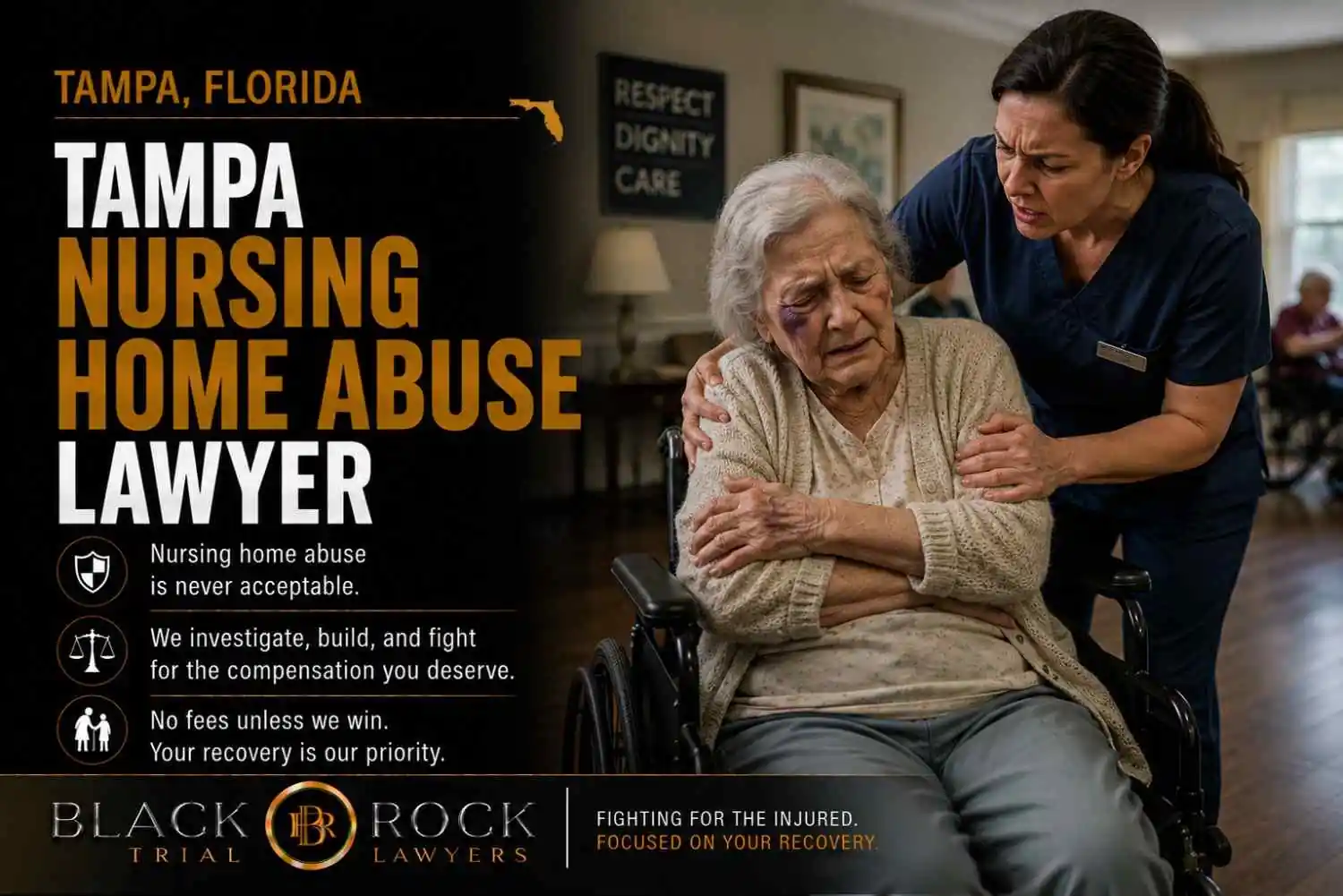
Tampa Nursing Home Abuse Lawyer
You are not alone.
After a serious nursing home abuse or neglect incident, the physical injuries, emotional trauma, medical expenses, and financial stress can quickly become overwhelming for victims and their families.
While you focus on your loved one’s safety, healing, and recovery, our team works aggressively to protect your rights, investigate nursing home negligence, and pursue the full compensation your family deserves.
Nursing home abuse and neglect claims are often strongly disputed by nursing facilities, corporations, caregivers, insurance companies, and healthcare providers, but we are prepared to stand firm, fight back, and take your case to trial if fairness is denied.

Legal Content Reviewed By:
Gil Sanchez, Esq. | CEO | Senior Managing Partner
Black Rock Trial Lawyers, PLLC
Practicing Law in Florida’s State and Federal Courts since 2004
” Serving Tampa, Hillsborough County, and surrounding areas “
FOR YOU 24 / 7
Why Hire Black Rock Trial Lawyers
for a Tampa Nursing Home Abuse Lawyer Case
- You Are Not a Case Number Here
We understand that discovering nursing home abuse or neglect can leave families feeling devastated, angry, overwhelmed, and uncertain about how to protect their loved one. - Nursing Home Abuse Cases Often Require Immediate Investigation
Important evidence such as surveillance footage, staffing records, medical charts, inspection reports, photographs, and witness statements may disappear quickly after abuse or neglect occurs. - We Investigate Nursing Home Abuse and Neglect Thoroughly
Our team investigates physical abuse, emotional abuse, neglect, bedsores, falls, dehydration, malnutrition, medication errors, infections, wandering incidents, unsafe conditions, and understaffing issues. - We Move Quickly to Preserve Critical Evidence
Nursing facilities and corporations may attempt to limit access to internal records, surveillance footage, staffing logs, inspection findings, and other evidence important to your loved one’s case. - We Hold Nursing Homes and Corporations Accountable
Nursing homes, rehabilitation centers, assisted living facilities, caregivers, healthcare providers, and corporate owners may have legal responsibilities to provide safe and proper care to vulnerable residents. - We Understand Florida Nursing Home Abuse Law
Nursing home abuse and neglect claims may involve complicated issues regarding elder abuse laws, negligence, patient care standards, staffing requirements, medical regulations, premises liability, and insurance disputes. - We Handle Your Case Like It Was Our Own Family
We approach every nursing home abuse case with the same care, seriousness, and dedication we would want for our own loved ones. - Compassion First. Trial-Ready Always.
We care deeply about protecting vulnerable elderly residents and their families, but we also prepare every case aggressively to challenge corporations, insurance companies, and negligent facilities. - We Deal Directly With Insurance Companies and Nursing Facilities
Our team handles investigations, negotiations, communications, and legal disputes so your family can focus on your loved one’s safety, treatment, and recovery. - We Evaluate the Full Impact of the Harm
Nursing home abuse and neglect may cause severe physical injuries, emotional trauma, infections, psychological harm, loss of dignity, medical complications, and wrongful death. We work to fully document those damages. - We Work With Experts When Necessary
Nursing home abuse cases may require medical specialists, elder care experts, nursing experts, investigators, life care planners, and other professionals to properly evaluate liability and damages. - We Prepare Every Case for Trial
Although some nursing home abuse claims settle, we prepare every case as though it may ultimately go before a jury if fairness is denied. - Faith, Purpose, and Relentless Advocacy
Our work is guided by the belief that elderly residents and families deserve justice, dignity, accountability, and strong legal protection during some of the most difficult moments of their lives.
What We Do for You After a Tampa Nursing Home Abuse Lawyer
- Investigate how the nursing home abuse or neglect occurred
- Preserve surveillance footage, staffing records, medical charts, incident reports, photographs, and other critical evidence before it disappears
- Review medical records, medication logs, nursing notes, inspection reports, witness statements, and available video evidence
- Investigate physical abuse, emotional abuse, neglect, dehydration, malnutrition, falls, bedsores, medication errors, infections, wandering incidents, and unsafe facility conditions
- Determine whether nursing homes, rehabilitation centers, assisted living facilities, caregivers, healthcare providers, administrators, corporations, or other parties may be legally responsible
- Investigate violations of elder care regulations, staffing requirements, patient safety standards, and nursing home care rules
- Identify all available insurance coverage and responsible parties
- Communicate directly with nursing facilities, insurance companies, corporations, healthcare providers, and defense attorneys
- Protect your loved one and family from unfair blame under Florida comparative fault laws
- Track hospitalization, rehabilitation, wound care, counseling, therapy, medications, and future care needs related to the abuse or neglect
- Work with medical specialists, elder care experts, nursing experts, investigators, and life care planners when necessary
- Document the full impact of the abuse or neglect including physical injuries, emotional trauma, medical complications, psychological harm, and long-term damages
- Calculate both economic and non-economic damages related to the nursing home abuse or neglect incident
- Prepare and send detailed settlement demands supported by evidence and medical documentation
- Negotiate aggressively with insurance companies and nursing home corporations for a fair settlement
- File a lawsuit if necessary and appropriate to pursue full compensation
- Prepare every nursing home abuse case as though it may ultimately go to trial if fairness is denied
Hurt in a Tampa Nursing Home Abuse ? You Are Not Alone.
Discovering that a loved one may have suffered abuse or neglect inside a nursing home can be heartbreaking and overwhelming. Physical injuries, emotional trauma, fear, medical complications, and concerns about your family member’s safety can quickly place enormous stress on the entire family.
Whether the abuse or neglect happened at a nursing home, assisted living facility, rehabilitation center, memory care facility, or long-term care center in Tampa or Hillsborough County, our team is here to help protect your loved one and your family’s rights.
At Black Rock Trial Lawyers, we understand that nursing home abuse and neglect claims are often aggressively disputed by nursing facilities, healthcare providers, corporations, caregivers, and insurance companies. Facilities may deny wrongdoing, minimize injuries, dispute staffing failures, or attempt to avoid responsibility for unsafe conditions and negligent care.
We move quickly to investigate the incident, preserve surveillance footage, obtain medical records, review staffing information, inspect facility conditions, interview witnesses, and identify all available insurance coverage before important evidence disappears.
Florida law gives families only a limited amount of time to pursue nursing home abuse and neglect claims, which is why acting quickly can be extremely important. Delays may allow surveillance footage, records, witness memories, and critical evidence to disappear.
Our team works aggressively to pursue compensation for medical bills, hospitalization, rehabilitation, pain and suffering, emotional trauma, long-term care complications, wrongful death damages, and other losses caused by nursing home abuse or neglect.
We work to resolve nursing home abuse claims as efficiently as possible, but we will not allow corporations or insurance companies to pressure families into unfair settlements. If fairness is denied, we are fully prepared to file suit, take the case to trial, and fight for the justice, dignity, and compensation your loved one deserves.
Florida Nursing Home Abuse Lawyer Law
A. Florida Nursing Home Abuse and Neglect Law
Under Florida law, nursing homes, assisted living facilities, rehabilitation centers, caregivers, and healthcare providers generally have a legal duty to provide residents with reasonable care, supervision, medical treatment, safety, dignity, and protection from abuse or neglect. When negligent care, unsafe conditions, understaffing, abuse, or neglect causes harm, injured residents and families may have the right to pursue compensation.
B. Nursing Home Resident Rights and Safety Regulations
Florida nursing homes and long-term care facilities are generally required to follow state and federal regulations involving resident supervision, staffing requirements, medication management, infection control, nutrition, hygiene, fall prevention, abuse prevention, and patient safety standards. Violations of these rules may become important evidence in nursing home abuse and neglect claims.
C. Comparative Fault
Florida follows a modified comparative negligence system, meaning compensation may be reduced by the percentage of fault assigned in a negligence claim. However, if a party is found more than 50% responsible, recovery may generally be barred in many negligence cases. Nursing homes and insurance companies may attempt to deny negligence, shift blame, or argue medical complications were unavoidable. See Fla. Stat. § 768.81(6).
D. Statute of Limitations
For most Florida nursing home abuse and neglect negligence claims, the deadline to file a lawsuit is generally two years. However, important evidence such as surveillance footage, medical records, staffing logs, inspection reports, photographs, and witness statements may disappear quickly after an incident. See Fla. Stat. § 95.11(5).
Press Release



Common Tampa Nursing Home Abuse Scenarios We Handle
Physical Abuse by Caregivers or Staff
Residents may suffer serious injuries because of hitting, pushing, rough handling, improper restraints, or physical mistreatment by nursing home employees or caregivers.
Neglect and Inadequate Resident Supervision
Nursing home neglect may occur when residents are ignored, left unattended, unsafely monitored, or deprived of proper medical attention and daily care.
Bedsores and Pressure Ulcer Cases
Failure to reposition residents, provide hygiene care, or monitor medical conditions may lead to severe bedsores, infections, tissue damage, and dangerous medical complications.
Fall and Fracture Accidents
Unsafe conditions, poor supervision, medication issues, inadequate staffing, or failure to implement fall prevention measures may cause serious falls and broken bones.
Medication Error and Overdose Cases
Residents may suffer severe injuries because of incorrect medications, missed medications, dosage mistakes, dangerous drug interactions, or pharmacy negligence.
Dehydration and Malnutrition Claims
Nursing homes may be responsible when residents suffer serious health complications because of inadequate hydration, poor nutrition, or neglect of dietary needs.
Wandering and Elopement Incidents
Residents with dementia, Alzheimer’s disease, or cognitive impairments may wander away from facilities because of inadequate supervision or security failures.
Emotional and Psychological Abuse
Verbal abuse, threats, humiliation, intimidation, isolation, and emotional mistreatment may cause severe psychological trauma and emotional suffering.
Infection and Unsanitary Condition Cases
Poor hygiene, unsafe conditions, improper infection control, or negligent medical care may lead to dangerous infections, illness outbreaks, and preventable medical complications.
Nursing Home Assault and Resident Violence
Some cases involve assaults by staff members, other residents, visitors, or failures to maintain adequate security and resident protection.
Common Injuries After a Tampa Nursing Home Abuse
- Broken bones and fractures
- Hip fractures
- Head injuries
- Traumatic brain injuries (TBI)
- Concussions
- Neck and back injuries
- Spinal cord injuries
- Bedsores and pressure ulcers
- Severe infections and sepsis
- Dehydration injuries
- Malnutrition complications
- Medication overdose injuries
- Medication error complications
- Internal bleeding injuries
- Bruising and lacerations
- Burn injuries
- Choking and aspiration injuries
- Pneumonia and respiratory complications
- Wandering and elopement-related injuries
- Physical assault injuries
- Sexual abuse-related injuries
- Emotional trauma and psychological injuries
- Anxiety, depression, and fear
- Post-traumatic stress disorder (PTSD)
- Rapid physical decline
- Cognitive decline complications
- Weight loss and nutritional deficiencies
- Loss of mobility or independence
- Permanent disability or impairment
- Wrongful death claims
What Compensation May Be Available
- Past medical bills
Emergency treatment, hospitalization, surgeries, rehabilitation, medications, wound care, specialist treatment, therapy, and other nursing home abuse or neglect-related medical expenses. - Future medical care
Future surgeries, rehabilitation, long-term nursing care, counseling, therapy, medical monitoring, assistive devices, and ongoing healthcare needs related to the injuries. - Pain and suffering
Physical pain, discomfort, emotional suffering, humiliation, fear, and the daily impact of living with injuries caused by abuse or neglect. - Mental anguish and emotional distress
Anxiety, depression, PTSD, emotional trauma, fear, isolation, humiliation, emotional suffering, and psychological harm caused by nursing home abuse or neglect. - Permanent disability or impairment
Compensation for long-term physical limitations, mobility loss, neurological injuries, cognitive decline, or permanent impairments caused by negligent care or abuse. - Bedsores, infection, and wound care damages
Compensation for pressure ulcer treatment, infection care, wound management, sepsis complications, and long-term medical complications related to neglect. - Loss of enjoyment of life
The inability to participate in social activities, hobbies, family interaction, daily routines, or maintain independence because of abuse-related injuries or decline. - Emotional abuse and psychological trauma damages
Compensation for emotional suffering, intimidation, humiliation, isolation, verbal abuse, fear, and psychological injuries caused by mistreatment. - Medical complication damages
Damages related to medication errors, dehydration, malnutrition, infections, choking injuries, aspiration pneumonia, and other preventable health complications. - Out-of-pocket expenses
Transportation costs, medical equipment, prescriptions, counseling expenses, replacement care costs, and other abuse or neglect-related expenses. - Family support and caregiving expenses
Compensation for additional caregiving, transportation assistance, home care services, or family support required because of the injuries or neglect. - Loss of dignity and quality of life
The broader impact of nursing home abuse or neglect on independence, emotional well-being, personal dignity, relationships, and overall quality of life. - Relocation and alternative care expenses
Compensation for moving the resident to a safer facility, obtaining replacement care, or securing additional medical supervision after the abuse or neglect incident. - Punitive damages in extreme cases
In certain situations involving reckless conduct, intentional abuse, gross negligence, or serious misconduct, punitive damages may potentially apply under Florida law. - Wrongful death damages
In fatal nursing home abuse or neglect cases, surviving family members may be entitled to compensation for funeral expenses, medical bills, emotional suffering, loss of companionship, and loss of support. - Future loss of support or services
In wrongful death cases, surviving family members may pursue compensation for the future care, guidance, companionship, and support their loved one would have provided.
What to Do After a Tampa Nursing Home Abuse
- Ensure your loved one’s immediate safety and seek emergency medical attention if necessary.
- Document visible injuries and unsafe conditions by taking photographs and videos of bruises, bedsores, poor hygiene, unsanitary conditions, or other signs of abuse or neglect.
- Report the incident to nursing home management and request written documentation explaining what happened.
- Request copies of important records including medical charts, medication logs, care plans, staffing records, and incident reports.
- Preserve evidence quickly because surveillance footage, witness statements, internal reports, and facility records may disappear or be altered.
- Identify witnesses and obtain contact information from staff members, visitors, residents, or anyone who may have observed the abuse or neglect.
- Monitor your loved one for emotional or behavioral changes including fear, withdrawal, anxiety, depression, confusion, or signs of emotional trauma.
- Document all medical treatment and recovery including hospitalization, rehabilitation, wound care, counseling, medications, therapy, and ongoing medical complications.
- Keep records of medical expenses and additional care costs related to the abuse or neglect incident.
- Consider transferring your loved one to a safer facility if there are ongoing concerns about safety, neglect, abuse, or inadequate supervision.
- Report serious abuse or neglect to state authorities including agencies responsible for elder protection and nursing home oversight when appropriate.
- Be careful speaking with insurance companies or nursing home representatives because they may attempt to minimize the abuse or deny responsibility.
- Do not give recorded statements to insurance adjusters, corporations, or defense representatives before receiving legal advice.
- Avoid signing settlement agreements too early before understanding the full extent of the injuries, emotional trauma, medical complications, or future care needs.
- Contact Black Rock Trial Lawyers early so we can investigate the nursing home abuse or neglect incident, preserve critical evidence, protect your family’s rights, and pursue the compensation your loved one deserves.
Feedback From Valued Clients











OUR TEAM BECOMES YOURS
You deserve a team that treats your case with the same care, prayerful attention, and seriousness we would want for our own family.

Gil Sanchez, Esq.

Monica A. Sanchez

Hector González, FRP

Steven A. Capriati, Esq.

Jennifer Elias
Why Insurance Companies Dispute Tampa Nursing Home Abuse Claims
- They may deny abuse or neglect occurred and argue the nursing home staff provided reasonable and appropriate care under the circumstances.
- They may claim the resident’s injuries were caused by age or pre-existing medical conditions instead of acknowledging negligence, abuse, or unsafe conditions.
- They may dispute how the injuries happened especially when surveillance footage, staffing records, or witness statements are incomplete or missing.
- They may minimize the seriousness of the injuries even when residents suffer fractures, infections, bedsores, emotional trauma, malnutrition, or life-threatening complications.
- They may deny understaffing or safety violations existed despite evidence of poor supervision, inadequate care, or facility rule violations.
- They may challenge emotional trauma and psychological injuries including anxiety, fear, depression, PTSD, humiliation, or emotional suffering caused by abuse or neglect.
- They may dispute future medical treatment and care needs by arguing rehabilitation, wound care, therapy, counseling, or additional nursing care is unnecessary.
- They may shift blame to another caregiver, contractor, physician, or outside medical provider in an effort to reduce liability.
- They may argue falls, infections, or medical complications were unavoidable instead of acknowledging negligent care or preventable safety failures.
- They may delay investigations and settlement negotiations while families continue facing medical bills, emotional stress, relocation expenses, and caregiving costs.
- They may request recorded statements and later attempt to use family members’ words against them during the claim process.
- They may offer a quick settlement before the full extent of the resident’s injuries, emotional trauma, medical complications, or long-term care needs is fully understood.
10 FAQs After a Florida Nursing Home Abuse or Personal Injury Claim
1. What is a nursing home abuse or neglect claim in Florida?
A nursing home abuse or neglect claim generally arises when a resident suffers harm because of physical abuse, emotional abuse, neglect, unsafe conditions, medication errors, inadequate supervision, dehydration, malnutrition, infections, or violations of nursing home care standards.
2. How long do I have to file a nursing home abuse lawsuit in Florida?
For most Florida nursing home abuse or negligence claims, the deadline to file a lawsuit is generally two years. However, important evidence such as surveillance footage, medical records, staffing logs, inspection reports, and witness statements may disappear quickly after an incident. See Fla. Stat. § 95.11(5).
3. What compensation may be available after nursing home abuse or neglect?
Depending on the facts of the case, compensation may include medical bills, hospitalization costs, rehabilitation expenses, emotional trauma damages, pain and suffering, relocation expenses, long-term care costs, wrongful death damages, and other financial losses related to the abuse or neglect.
4. What are common signs of nursing home abuse or neglect?
Common warning signs may include unexplained injuries, bruising, fractures, bedsores, dehydration, malnutrition, emotional withdrawal, fear, poor hygiene, sudden behavioral changes, medication issues, infections, or unsafe living conditions.
5. Can nursing homes be held responsible for abuse or neglect?
Yes. Nursing homes, assisted living facilities, caregivers, healthcare providers, and corporations may potentially be held responsible when negligent care, abuse, understaffing, safety violations, or inadequate supervision causes harm to residents.
6. Why are nursing home abuse cases often serious?
Nursing home abuse and neglect can cause severe physical injuries, emotional trauma, infections, cognitive decline, medical complications, loss of dignity, permanent disability, and wrongful death, especially among vulnerable elderly residents.
7. Why do insurance companies dispute nursing home abuse claims?
Insurance companies often argue the injuries were caused by age or pre-existing medical conditions, deny abuse occurred, dispute staffing failures, minimize emotional trauma, or claim medical complications were unavoidable.
8. What evidence is important after a nursing home abuse incident?
Important evidence may include surveillance footage, medical records, medication logs, staffing records, inspection reports, photographs, witness statements, care plans, internal reports, and evidence of safety violations or negligent care.
9. Should I speak with the insurance company or nursing home representatives after the incident?
You should be careful before giving recorded statements or discussing the case with insurance adjusters or nursing home representatives because your statements may later be used to dispute liability or minimize the injuries.
10. How much does it cost to hire Black Rock Trial Lawyers?
Black Rock Trial Lawyers handles nursing home abuse and personal injury claims on a contingency fee basis, meaning you do not pay attorney’s fees unless we recover compensation for you. We also explain the legal process and fee agreement clearly from the beginning.
Speak With a Tampa Nursing Home Abuse Lawyer Today
Our Blogs







Legal Content Reviewed By:
Gil Sanchez, Esq.
CEO | Senior Managing Partner
Black Rock Trial Lawyers, PLLC
Practicing Law in Florida’s State and Federal Courts since 2004.