

Personal injury blog
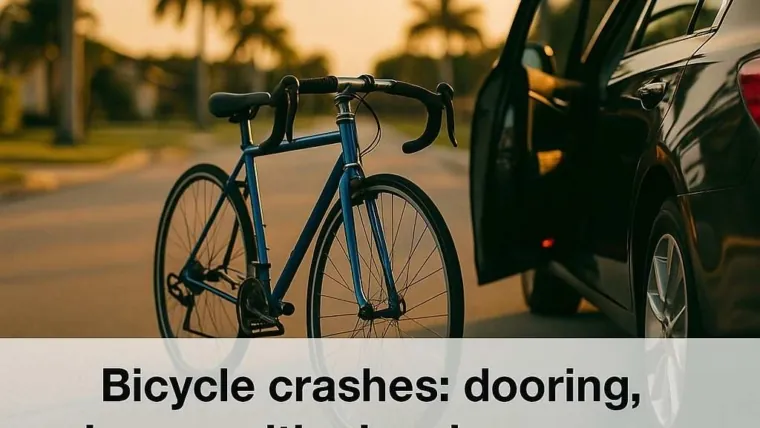
Every Florida cyclist knows the dangers lurking on our roads, but few realize how quickly a routine ride can turn into a legal nightmare. Doorings—when a parked car’s door swings open into your path—are a leading cause of bicycle crashes. Lane positioning mistakes, whether forced…
Are you sure you know your rights when crossing a Florida street? Many pedestrians assume drivers will always yield, but Florida law is more nuanced. Under Fla. Stat. §316.130, pedestrians have the right-of-way in marked crosswalks and at intersections, but must also obey traffic signals…

Florida’s dram shop law is often misunderstood, leaving injury victims surprised by its narrow scope. Under Florida Statute § 768.125, bars, restaurants, and other alcohol vendors are generally not liable for injuries caused by intoxicated patrons. The law sharply limits liability, making it clear that…
New Decision Clarifies What Plaintiffs Must Show Before Asking for Punitive Damages The Florida Supreme Court recently issued an important decision that could affect many civil lawsuits across the state. In Perlmutter v. Federal Insurance Company, the Court clarified what a plaintiff must show before…
New Decision Prevents Automatic Dismissal of Personal Injury Lawsuits When someone suffers serious injuries in an accident, financial hardship often follows. Medical bills pile up, income may be lost, and some individuals find themselves seeking bankruptcy protection while trying to recover from their injuries. A…

The U.S. Supreme Court’s decision in Montgomery v. Caribe Transport II, LLC is an important warning for the transportation industry. The case does not change how freight is moved. But it may change who gets sued, what evidence gets reviewed, and how risk is assigned…
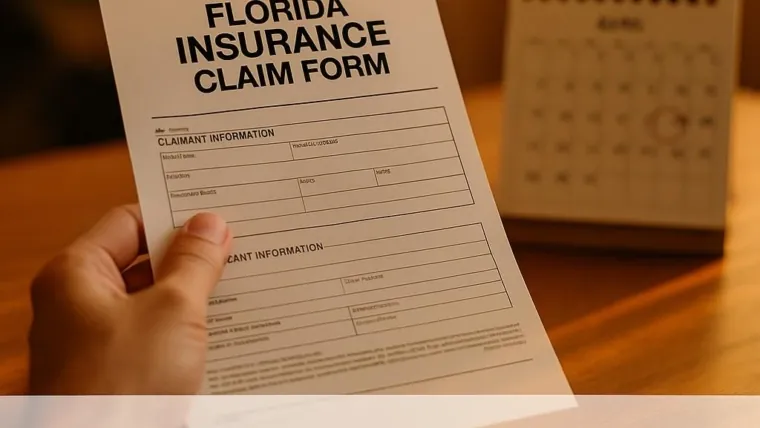
Are you sure you know how much time you have to file your injury claim in Florida? The answer could determine whether you ever see compensation. Under Florida Statutes § 95.11(3)(a), most personal injury claims must be filed within two years of the accident. This…
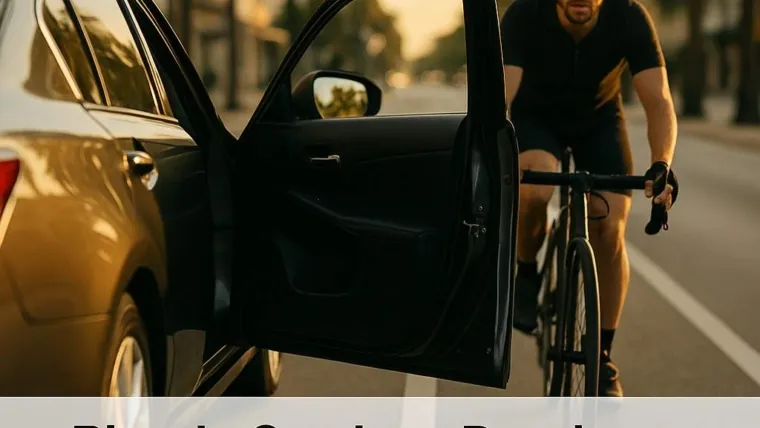
Ever seen a car door swing open just as a cyclist passes? That split-second mistake—known as ‘dooring’—can leave a rider with devastating injuries. In Florida, the law is clear: drivers and passengers must check for oncoming bicycles before opening their doors. Under Fla. Stat. §…
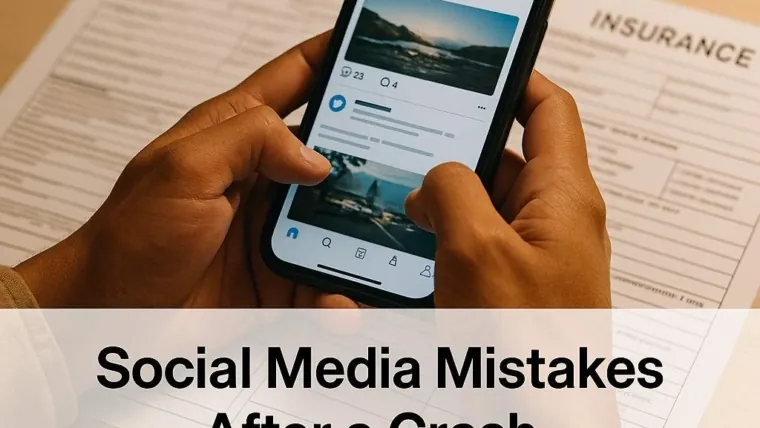
Think your social media is safe after a Florida crash? Think again. Insurance companies and defense attorneys are experts at combing through your online presence for anything that can be used to challenge your injury claim. Even a simple photo or status update can be…
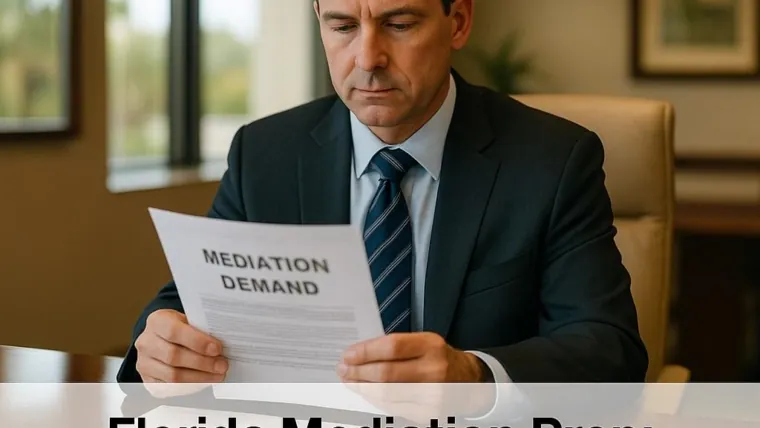
Walk into mediation thinking it’s just a formality, and you could jeopardize your Florida personal injury claim. Mediation is a required step in most Florida injury cases, governed by court rules and local statutes. The process is designed to encourage both sides to negotiate in…
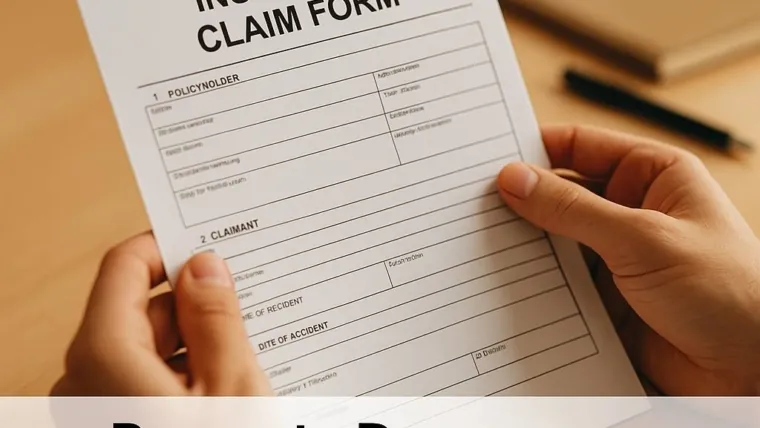
What happens after a Florida accident isn’t always straightforward. Many people assume their insurance will handle everything, but Florida law draws a sharp line between property damage and bodily injury claims. If you don’t know the difference, you risk missing out on compensation you deserve.…
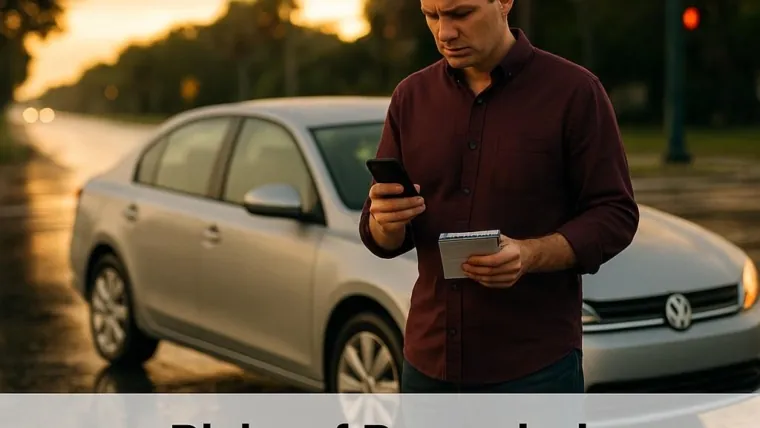
Ever wonder why insurance companies are so quick to ask for a recorded statement after an accident? The truth: they’re not looking out for your best interests. In Florida, anything you say in a recorded statement can be used to challenge your claim—even if you’re…

Every year, Florida drivers face the harsh reality of hit-and-run crashes—where the at-fault driver flees, leaving victims scrambling for answers. Many believe their insurance will automatically cover these situations, but the truth is more complex. Florida’s Personal Injury Protection (PIP) insurance, required by law (§…
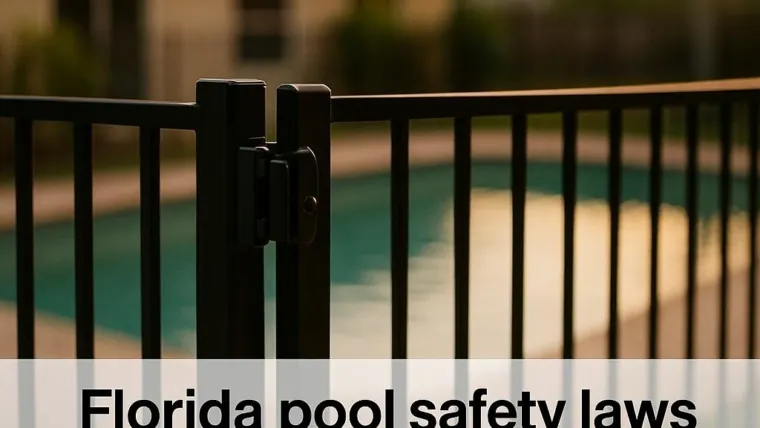
What’s the real cost of ignoring Florida’s pool safety laws? Every year, families face unimaginable loss because a pool owner skipped a safety step. Florida Statute § 515.27 requires residential pools to have barriers like self-closing gates and secure fencing. These aren’t just suggestions—they’re legal…

Ever wondered if you can sue a Florida city or county after an injury? Sovereign immunity is the legal doctrine that protects government entities from most lawsuits, but Florida law carves out important exceptions. Under Fla. Stat. § 768.28, cities and counties can be held…
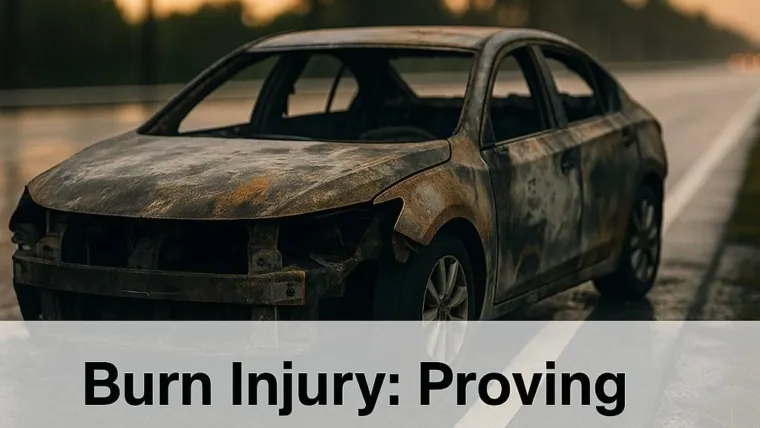
A single misstep can destroy your burn injury case before it even begins. In Florida, the law is clear: you must prove not only that you suffered a burn, but exactly how it happened and who is legally responsible. This is called causation, and it’s…
Think a dog owner gets one free bite? Florida law says otherwise. Under Fla. Stat. § 767.04, dog owners are strictly liable for injuries their pets cause—even if the dog has never bitten anyone before. You don’t have to prove the owner was negligent or…
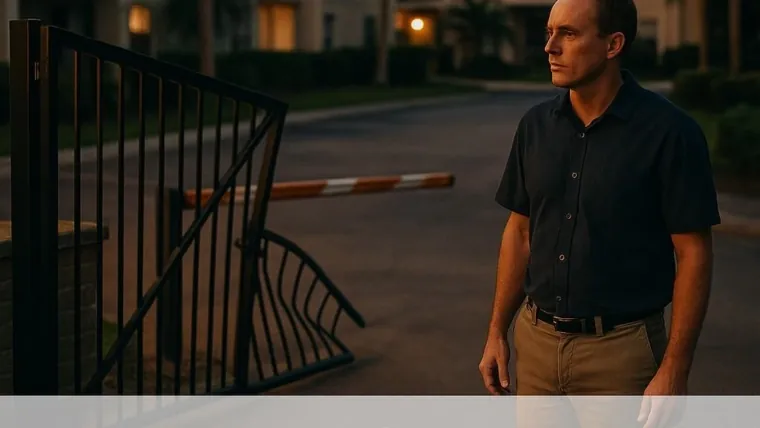
What happens when a property owner ignores obvious security risks? In Florida, the law is clear: owners must take reasonable steps to protect visitors and tenants from foreseeable harm, including criminal acts. Under Fla. Stat. § 768.0755, if a landlord, hotel, or business fails to…
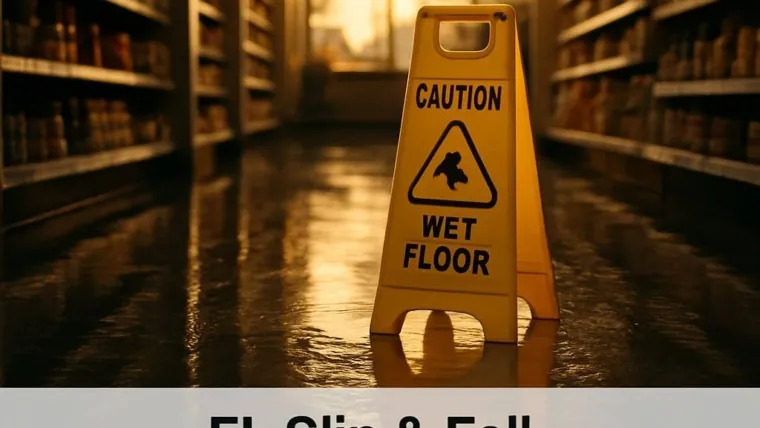
Slip and fall accidents in Florida aren’t always about what a property owner actually knew. The law recognizes ‘constructive knowledge’—meaning a business can be held liable if a dangerous condition existed long enough that it should have been discovered, or if it happened so regularly…
Are you riding in Florida thinking your motorcycle insurance includes Personal Injury Protection (PIP)? That’s a costly mistake. Under Florida Statute § 627.736, motorcycles are specifically excluded from PIP coverage. If you’re injured in a crash, you can’t rely on PIP to pay your medical…

Are you sure your own insurance will protect you after an Uber or Lyft crash in Florida? Many people make costly mistakes by assuming coverage is automatic. Florida Statutes § 627.748 sets strict rules for rideshare insurance, and the details matter. When a rideshare driver…

Ever wondered why your demand letter didn’t get the response you expected? Florida insurers don’t just glance at your claim—they dissect every line, searching for gaps, inconsistencies, and missing evidence. A demand letter is your chance to present a clear, compelling case for compensation, but…

What happens when a text message leads to a crash on Florida roads? Under Fla. Stat. § 316.305, texting-while-driving is strictly prohibited. This law empowers law enforcement to stop drivers who are seen typing, sending, or reading messages behind the wheel. If a crash occurs…
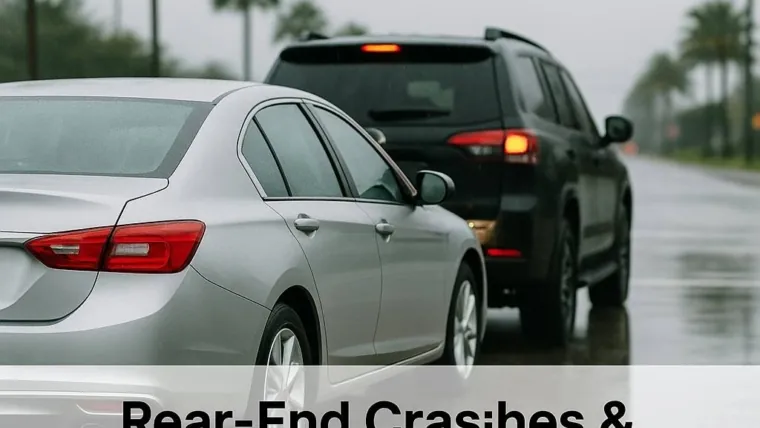
Think the rear driver is always 100% at fault in a Florida rear-end crash? That assumption could cost you. Florida’s legal landscape has changed, and so have your rights after a collision. Comparative Fault: Fla. Stat. § 768.81 Florida follows a pure comparative fault system…
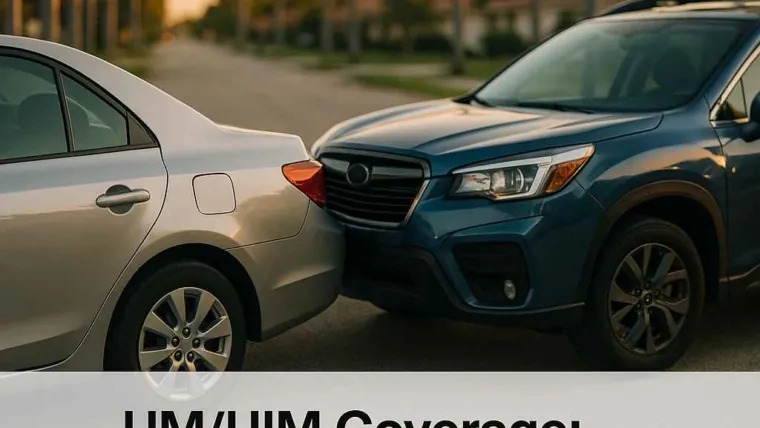
Why do so many Florida drivers regret skipping UM/UIM coverage? The answer is simple: Florida’s roads are filled with uninsured and underinsured motorists, and the consequences of a crash can be devastating. Fla. Stat. § 627.727 gives you the option to add UM/UIM coverage to…

Think your PIP insurance blocks pain-and-suffering claims? Florida law says otherwise. Personal Injury Protection (PIP) is mandatory for most drivers and covers medical expenses and lost wages after a crash, but it doesn’t always shield negligent parties from liability for pain-and-suffering damages. Under Fla. Stat.…
Ever wondered why your accident settlement feels smaller than expected? In Florida, medical bills can dramatically impact your recovery, thanks to a web of health insurance, Medicare, Medicaid, and provider liens. Under Florida Statutes §768.76, insurers who pay your medical bills often have a legal…
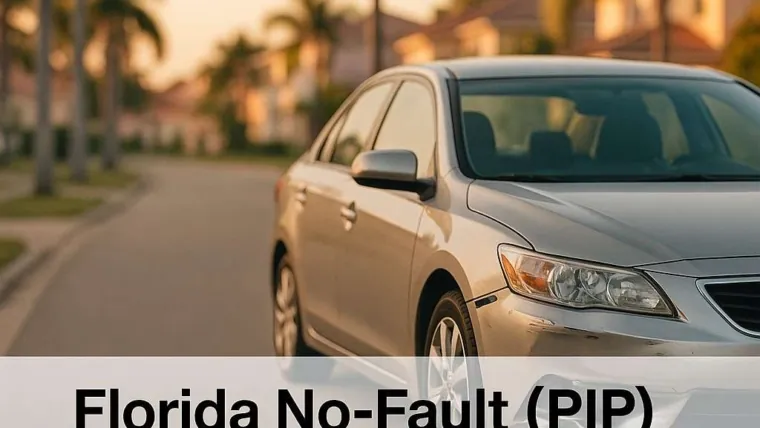
Florida’s no-fault insurance system, governed by Fla. Stat. § 627.736, requires every driver to carry Personal Injury Protection (PIP). After a car accident, your own PIP policy pays for medical expenses and lost wages—regardless of who caused the crash. But here’s the catch: PIP only…

Staying at a Florida hotel or resort should mean relaxation, not risk. Yet every year, guests suffer serious injuries from balcony falls, pool hazards, and security failures. Florida Statute § 768.0755 makes it clear: property owners must fix or warn about dangerous conditions they know…
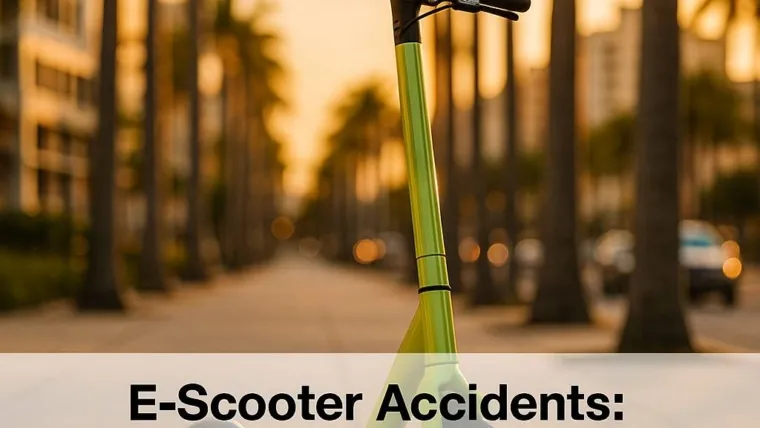
E‑scooters have transformed Florida’s urban landscape, but the legal risks for riders are far from obvious. Under Florida Statutes § 316.2122, e‑scooters are regulated differently than cars, and many insurance policies exclude coverage for e‑scooter injuries. If you’re involved in an accident—whether hit by a…

Ever been blindsided by road debris in Florida and wondered who’s actually responsible? The answer isn’t as clear-cut as most think. Under Florida Statutes § 316.061 and § 316.074, drivers and companies must secure their loads and report accidents. If debris falls from a vehicle…

Ever assumed the rental car company would handle everything after a Florida crash? That’s a costly mistake. Under Florida Statutes § 324.021 and § 627.7263, the driver—not the rental agency—is usually responsible for damages when a tourist is behind the wheel. The Graves Amendment (49…
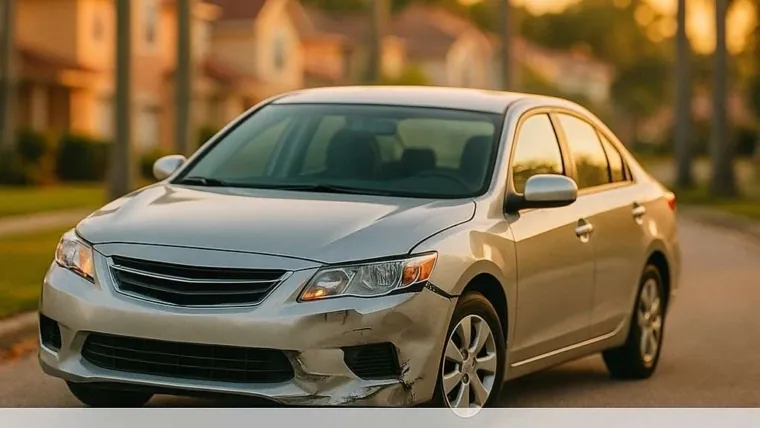
Every year, countless Floridians lose out on injury compensation because of preventable mistakes. Florida law is unforgiving when it comes to deadlines and documentation. The statute of limitations for most personal injury cases is two years (§95.11(3)(a)), and missing this window means your claim is…

Losing a loved one is a tragedy, but Florida law offers families a legal path to seek justice. The Wrongful Death Act (Fla. Stat. §§ 768.16–768.26) governs who can file a claim, what damages are available, and how quickly you must act. Only the personal…
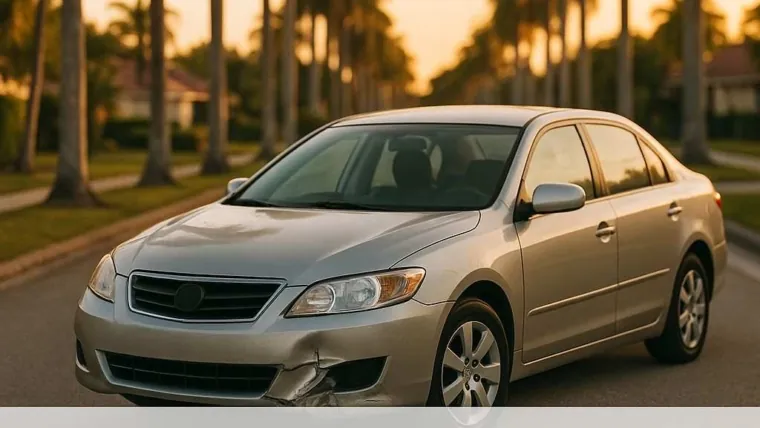
Florida’s Personal Injury Protection (PIP) law is unforgiving when it comes to deadlines. Under Florida Statute § 627.736, you must seek medical treatment within 14 days of an accident to qualify for PIP benefits. If you miss this window—even by a single day—your insurance may…
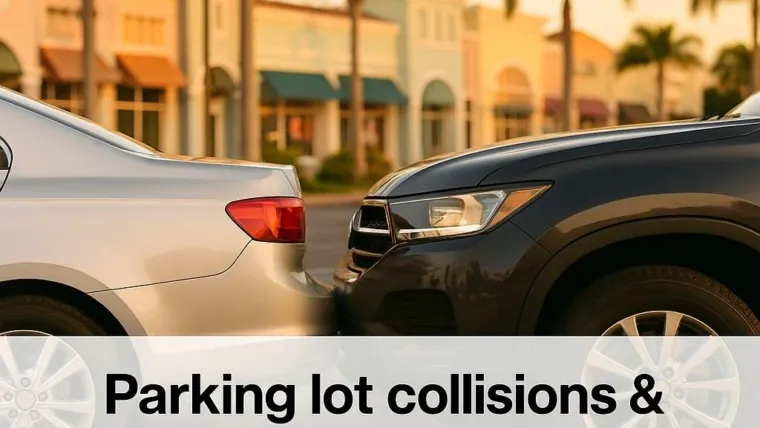
Think parking lot collisions are just minor inconveniences? Florida law says otherwise. Even low-speed impacts can cause significant injuries—soft tissue damage, concussions, and chronic pain are common outcomes. Under Florida Statutes § 316.1925, drivers must exercise care in parking lots, and failing to do so…
Think filing a lawsuit is the finish line? In Florida, it’s just the beginning. The litigation roadmap is a series of critical steps, each governed by strict rules and deadlines. Florida Statutes § 95.11 sets the statute of limitations—most personal injury claims must be filed…

Ever left a Florida event feeling sick from the heat, only to realize the venue did nothing to help? Florida’s climate makes heatstroke and dehydration real threats at outdoor gatherings, and venues are legally required to protect guests from foreseeable harm. Under Florida Statutes §…

DUI and drugged-driving wrecks in Florida aren’t just another car accident—they’re legal emergencies with unique consequences. Florida Statutes §316.193 makes driving under the influence a criminal offense, and when an impaired driver causes injury, the stakes rise dramatically. Victims may be entitled to punitive damages,…

Think a store is always responsible when merchandise falls and causes injury? Florida law sets a much higher bar. Under Florida Statute § 768.0755, injured customers must prove the store had actual or constructive knowledge of the dangerous condition—like unstable displays or poorly stacked items—and…

You boarded a cruise ship in Florida expecting relaxation, not injury. But when accidents happen, the legal landscape is far from simple. Florida law gives you four years to file a personal injury claim (Florida Statutes § 95.11), but cruise lines often override this with…
Florida’s personal injury law doesn’t punish you for having a medical history. If an accident aggravates a pre-existing condition, you’re entitled to seek compensation for the worsening of your injury—not just the original harm. Florida Standard Jury Instruction 501.7 makes it clear: juries must decide…
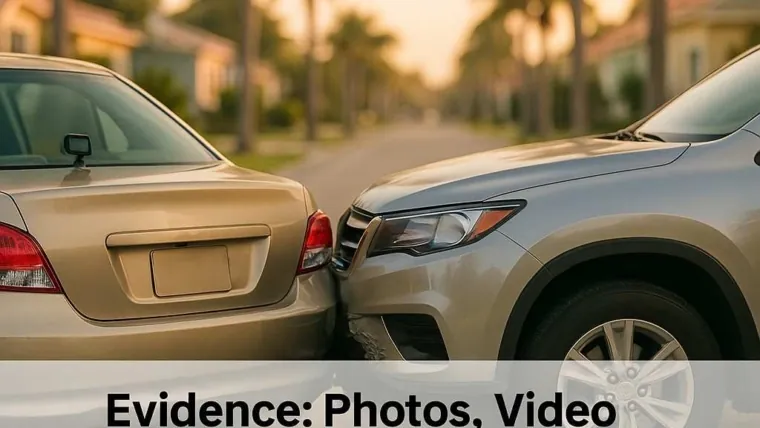
Ever wonder why some Florida injury claims fall apart, even when the facts seem clear? The answer is often in the evidence—or lack of it. Under the Florida Evidence Code (Fla. Stat. §§ 90.401–90.406), courts demand proof that is relevant, reliable, and properly preserved. Photos,…

What you do in the hours after a Florida truck accident can determine whether you ever see justice. The black box—technically called the Event Data Recorder (EDR)—captures vital information like speed, braking, and driver actions in the moments before a crash. But here’s the catch:…
Think skipping your seat belt means you’re automatically at fault in a Florida car accident? Not so fast. Florida’s ‘Seat Belt Defense’ is a powerful tool for insurance companies, but it’s not a free pass to deny your claim. Here’s what you need to know…

Ever been handed a waiver at an Orlando theme park and thought it meant you had no rights if you got hurt? That’s a dangerous misconception. Florida’s theme parks rely on waivers to limit their liability, but these documents don’t always hold up in court—especially…

Golf carts are a familiar sight in Florida neighborhoods, offering convenience and a sense of safety thanks to their low speed. But this perception is dangerously misleading. Even at speeds under 20 mph, a golf cart collision can result in severe injuries—broken bones, head trauma,…
### Introduction: Why Positive Tests Aren’t Always Available Many people assume that a positive lab test is required to prove food poisoning. In reality, Florida law allows other forms of evidence to establish liability. ### Florida Law on Food Poisoning Claims Under Florida negligence principles,…
### Why Evidence Matters After an elevator or escalator accident in a Florida mall or airport, evidence can disappear quickly. Surveillance footage may be overwritten within days, and maintenance logs can be difficult to obtain later. Preserving this information is essential to proving liability under…
### What Is PTSD and Emotional Trauma After a Crash? PTSD (Post-Traumatic Stress Disorder) and emotional trauma are common after serious car crashes or other accidents. These injuries may not leave visible scars, but they can deeply affect your daily life, relationships, and ability to…